Introduction: Why Choose an Abacus Class for Your Child?
You want your child to handle maths with confidence. But many kids freeze up over basic sums or panic during tests. Daily practice with proper guidance builds strong math skills and removes that fear.
Abacus training teaches numbers using a physical counting tool. Kids move from sliding physical beads to visualizing calculations in their heads, boosting spatial reasoning and working memory (as highlighted in studies on child cognitive development).
If you are looking into IPL – Abacus Class Koodalnagar Madurai, you need to look beyond flyers and promises. You want to check teacher quality, batch sizes, daily practice, and classroom environment.
This guide breaks down how abacus learning works, what to look for before enrolling, and how to pick the right centre for your child.

1. What Is Abacus Training?
An abacus uses beads on fixed rods. Each bead carries a specific value depending on its placement.
Kids learn by physically sliding beads to solve sums. Later on, they imagine the frame and calculate mentally without physical tools.
How Does an Abacus Class Work?
Most courses follow 6 distinct steps:
- Number recognition: Kids learn basic digits and values.
- Understanding the abacus: They learn place values across beads and rods.
- Basic calculations: They practice standard addition and subtraction.
- Advanced exercises: They step up to multiplication and division.
- Mental calculation: They picture the beads to solve sums in their heads.
- Regular assessment: Teachers check progress and fix errors early.
Learning speed depends on your child’s age, practice habits, and the institute’s pace.

Is Abacus Suitable for Beginners?
Yes. Beginners start with basic numbers and counting. Ask about minimum entry age, basic syllabus details, class duration, and placement rules before signing up.
2. Benefits of Joining an Abacus Class
Abacus classes offer structured practice, but real progress takes time, guidance, and daily effort.
Improves Calculation Practice
Kids work through number patterns repeatedly, which builds speed and accuracy on basic arithmetic.
For example, a child might struggle with $24 + 15$ initially. Structured practice gives them a step-by-step path to work out the answer.
Practical tip: Tell your child to focus on understanding each step instead of rushing for quick answers.
Supports Concentration
Abacus tasks require full attention. Kids must listen carefully, read bead layouts, and calculate step by step.
This routine trains attention spans over time. Keep in mind that attention improvements vary for every child.
Encourages Memory and Visualisation
Mental abacus work forces kids to picture bead layouts in their head. This exercises short-term memory and spatial thinking.
Ask your child to explain how they solved a sum instead of giving them the answer right away.
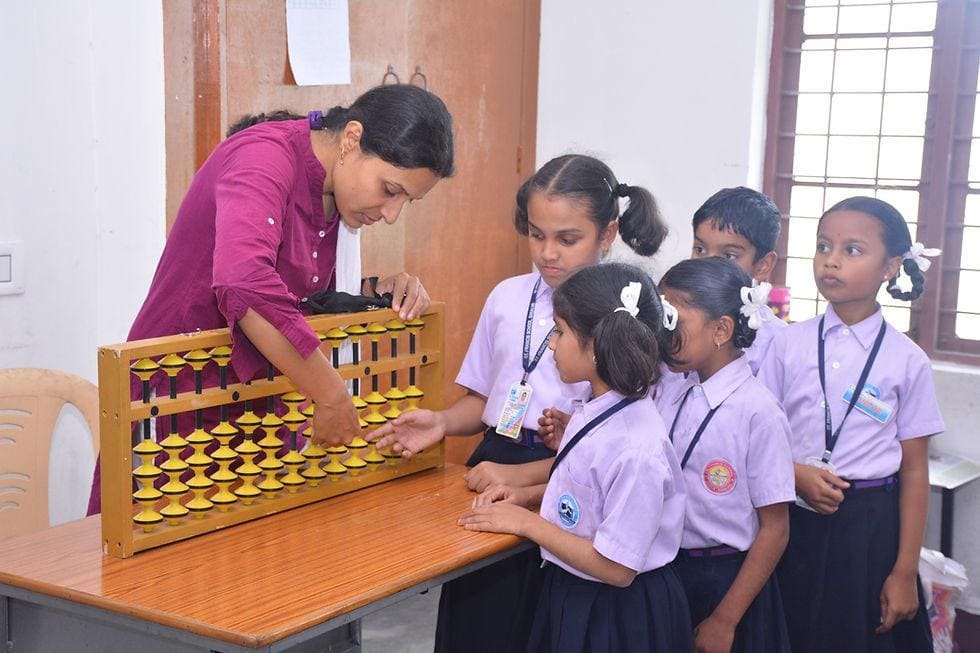
Builds Confidence in Mathematics
Kids often hold back in class out of fear. A patient instructor and structured tasks make them comfortable trying.
Confidence comes from understanding the steps, not from winning a speed race.
Develops a Regular Learning Habit
Short daily practice sets up solid study routines.
Have your child practice for 10–15 minutes on assigned worksheets. Match the time to your child’s age and focus limit.
Important: Abacus practice supports school math aligned with standard NCERT curriculum guidelines, but it does not replace core concepts, word problems, or textbook curricula.
3. IPL – Abacus Class Koodalnagar Madurai: What Should Parents Look For?
Visit IPL – Abacus Class Koodalnagar Madurai in person before enrolling your child.
A name alone does not tell you about teaching quality. Talk to the actual instructor and watch a class in action. Learn more about our background on the About IPL Technologies page.
Check the Teaching Method
Ask how teachers introduce new steps and handle kids who struggle.
Good centers use clear demonstrations, guided practice, and direct feedback.
Look for:
- Visual demonstrations on the abacus frame.
- Direct, step-by-step instructions.
- Targeted practice sheets for each stage.
- Clear corrections that explain mistakes.
- Steady progression from easy to hard sums.
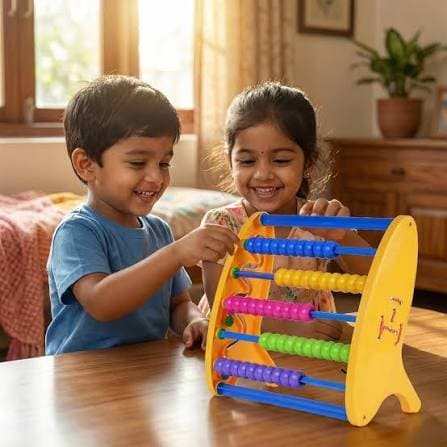
Ask About Class Size and Individual Attention
Kids learn at completely different speeds. Some grab concepts instantly while others need extra demos.
Ask these questions first:
- How many kids are in a single batch?
- Does the teacher give individual feedback?
- How do teachers assist new beginners?
- How do you handle missed classes?
- How often do you send progress reports to parents?
Understand the Syllabus and Duration
Abacus levels vary widely between institutes. Get a written breakdown of topics covered at each stage, along with assessment rules for moving up. Avoid fast-track promises—kids need actual time to practice each skill.
Evaluate the Learning Atmosphere
Kids learn best when they can ask questions without fear. Check if the classroom is clean and quiet, if the instructor stays patient, and if students receive individual feedback.
If you are evaluating IPL – Best Abacus Institute Class Koodalnagar Madurai, these direct checks matter far more than promotional claims. You can explore our full range of programs on the IPL Technologies Course Hub.
Note: Check IPL’s current timings, fees, eligibility rules, batch schedules, syllabus, and facilities directly with the centre before enrolling.
4. At What Age Can Children Start Learning Abacus?
Most centers take kids between 4 and 6 years old. But readiness matters more than exact age.
Signs That a Child May Be Ready
Your child is probably ready if they can:
- Identify basic digits and count objects.
- Follow simple two-step instructions.
- Sit still for short study activities.
- Move small beads with control.
- Work through guided tasks with encouragement.
If your child struggles with numbers, start with basic counting games first. If they show early interest in technology or logic, you might also consider our Junior Coding Classes for foundational problem-solving skills.
How Parents Can Support Young Learners
Bring numbers into daily life instead of forcing constant study sessions.
Try these simple habits:
- Count apples while loading the fridge.
- Ask your child to count their toys during cleanup.
- Compare group sizes using blocks or snacks.
- Practice simple addition using pencils.
- Ask your child to explain their thinking.
Parent tip: Never compare your child’s speed with other students. Steady progress matters far more than speed.

5. How to Choose the Best Abacus Institute in Koodalnagar, Madurai
Do not just pick the closest or cheapest option. Compare actual operational details.
Use this evaluation checklist when visiting IPL – Best Abacus Institute Class Koodalnagar Madurai:
| Factor | What parents should check |
| Teaching quality | Clear explanations and patient instruction |
| Course syllabus | Topics, levels, and learning objectives |
| Class size | Opportunities for individual attention |
| Practice material | Abacus tools, worksheets, and exercises |
| Assessment | How progress is measured and communicated |
| Timings | Whether the schedule suits the child’s routine |
| Fees | Total cost, materials, assessments, and additional charges |
| Parent communication | Updates about attendance and learning progress |
| Travel convenience | Distance, transport, and class timings |
Ask About Fees Before Enrolling
Fees change based on institute branding, duration, tool kits, and tests. Ask for a clear itemized breakdown of costs rather than assuming higher fees mean better teaching.
Confirm if the quoted fee includes:
- One-time registration fees.
- Toolkits and abacus frames.
- Workbooks and exercise sheets.
- Level exam charges.
- Final certificates.
- Hidden administrative fees.
Compare centers based on overall value and teaching quality.
Look for Evidence of Student Progress
Ask how the center measures improvement. Look for calculation accuracy, topic mastery, worksheet completion, and logical thinking.
Certificates and speed tests are fine, but clear understanding matters more. A child who understands the process builds a solid foundation for school math and future technical subjects.
Avoid Unrealistic Promises
Be careful with claims promising instant math mastery or top school ranks in 8 weeks. Every child learns differently. Legitimate centers explain their process clearly without making extreme performance guarantees.
6. How to Help Your Child Practise Abacus at Home
Weekly classes are only half the equation. Short daily practice sessions at home lock in what the teacher demonstrates. You do not need advanced math skills to build a solid home routine.
Create a Simple Practice Schedule
Pick a quiet time when your child is well-rested.
Try this simple 13-minute routine:
| Activity | Suggested time |
| Review the previous lesson | 3 minutes |
| Practise assigned abacus exercises | 5 minutes |
| Try a few suitable calculations | 3 minutes |
| Review mistakes and celebrate effort | 2 minutes |
Adjust this sample routine based on your teacher’s instructions and your child’s energy levels.

Focus on Accuracy Before Speed
Rushing leads to silly mistakes and frustration.
Guide your child through these 5 steps:
- Read the problem carefully.
- Use proper bead movements.
- Write down the answer.
- Check the result patiently.
- Practice tricky sums again.
Speed develops naturally once accuracy becomes automatic.
Make Number Learning Enjoyable
Keep practice sessions engaging. Use quick math games, puzzle sheets, or object counting. Praise their effort and daily consistency instead of focusing only on speed.
Stop the session immediately if your child gets tired or overwhelmed.
Maintain Communication with the Instructor
Reach out to the instructor if your child gets stuck on a specific rule. Repeating errors at home creates bad habits that are hard to fix.
A quick text or check-in keeps your home practice aligned with class teaching.
7. Common Mistakes Parents Should Avoid
Your attitude shapes how your child handles learning. Avoid these common traps to keep maths positive.
- Expecting instant results: Abacus mastery takes consistent practice. Track progress over months rather than judging performance after two classes.
- Choosing a class based only on speed: Fast calculations mean little if a child lacks basic conceptual understanding. Look for programs that balance accuracy, understanding, and speed.
- Comparing children: Comparing your child to classmates destroys confidence. Compare your child’s current work against their own old worksheets.
- Overloading the daily schedule: Stacking long abacus drills onto heavy school homework creates burnout. Keep home practice short (10–15 minutes max).
- Treating abacus as a replacement for school mathematics: Abacus teaches mental arithmetic techniques. School curricula cover geometry, word problems, algebra, and measurements.
Frequently Asked Questions About IPL – Abacus Class Koodalnagar Madurai
1. What is the benefit of joining IPL – Abacus Class Koodalnagar Madurai?
Abacus courses train kids to visualize beads for quick calculation. Regular practice builds accuracy, focus, and math confidence. You can contact IPL Technologies in Madurai directly for current enrollment details.
2. What is the right age to join an abacus class?
Most courses start between 4 and 6 years old. Readiness depends on whether your child can recognize basic digits and follow simple instructions.
3. How long does it take to learn abacus?
It depends on the number of levels, practice frequency, and course design. Ask the institute for their level map. Kids should move up based on skill mastery rather than fixed dates.
4. How much does an abacus class cost in Koodalnagar, Madurai?
Fees vary by course length and material costs. Contact IPL directly to get current fee details, including registration, workbooks, and exam fees.
5. Can abacus training help children who struggle with maths?
It provides structured arithmetic practice that helps with basic sums. But it does not solve every math difficulty. Speak with your child’s school teacher if core conceptual gaps remain.
Conclusion: Choose the Right Abacus Learning Programme for Your Child
Abacus training offers structured practice in arithmetic, mental math, and focus. Results depend on teacher quality, daily practice, and realistic expectations.
When researching IPL – Abacus Class Koodalnagar Madurai, check the syllabus, teaching style, batch sizes, overall costs, and schedule options. Visit the centre directly to see if the environment fits your child’s needs.
Focus on finding a supportive environment where your child can learn without pressure.
Ready to explore skill-building courses for your family? Check out our additional programs:
- Digital Marketing Courses in Koodal Nagar Madurai
- Python Course in Koodal Nagar Madurai
- Best Computer Courses for Students in Madurai
To get started with abacus training, contact IPL Technologies in Koodal Nagar, Madurai to inquire about current abacus batches, eligibility, course fees, and class timings. Confirm all latest details directly before enrolling your child.