
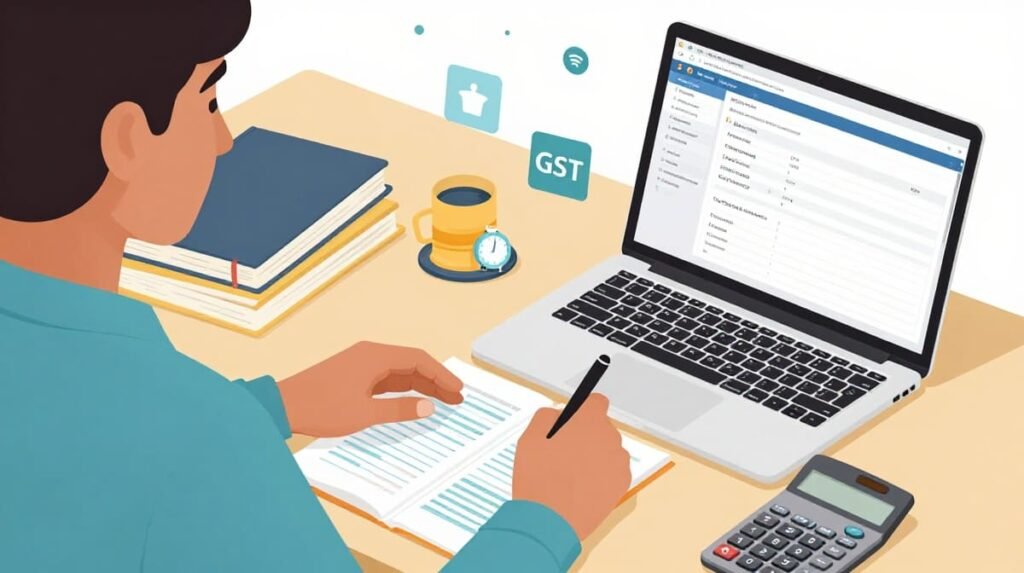
Choosing an accounting course shapes your career trajectory. This is especially true if you plan to work in finance, taxation, banking, auditing, or administration. You are likely searching for the Best COA Course in Madurai because you want practical training, real certification, and solid placement support.
So, with countless institutes offering accounting classes, which one actually deserves your time and money?
This guide breaks down what you need to know. We will cover what a COA course involves, who should take one, and the career paths it opens up. We will also look at the value of certification and how to pick the right training center.
This article gives you the facts you need to make a smart choice, whether you are a student, graduate, working professional, or running your own business.
What is a COA Course?

A COA (Certificate of Accounting) course teaches you the daily realities of accounting. You learn bookkeeping, taxation, financial reporting, and how to use accounting software.
Traditional degree programs lean heavily on theory. A COA course prioritizes the practical accounting skills employers actually test for during interviews.
Short Answer: A COA course gets you ready for work. It covers practical accounting, financial management, GST basics, Tally software, and bookkeeping.
Why is a COA Course Becoming Popular?
Every organization needs someone who understands finance. Startups, retail shops, manufacturing plants, hospitals, and massive corporations all run on numbers.
Businesses rely on digital accounting systems now. Employers look for candidates who already know the software and the compliance rules.
Students lean toward COA courses for a few solid reasons:
- Faster career entry
- Practical skill development
- Industry certification
- Affordable compared to degree programs
- Suitable for freshers and working professionals
- Better employability
You get hands-on experience with real accounting tasks instead of spending years just reading about them.
Who Should Join a COA Course?

A Certificate of Accounting course is highly flexible. It fits a wide range of people.
It works well for:
- Commerce students
- B.Com graduates
- MBA aspirants
- Business owners
- Entrepreneurs
- Office administrators
- Account assistants
- Job seekers
- Working professionals wanting promotions
Beginner-friendly programs allow even students with zero accounting background to start learning.
Skills You Learn in the Best COA Course
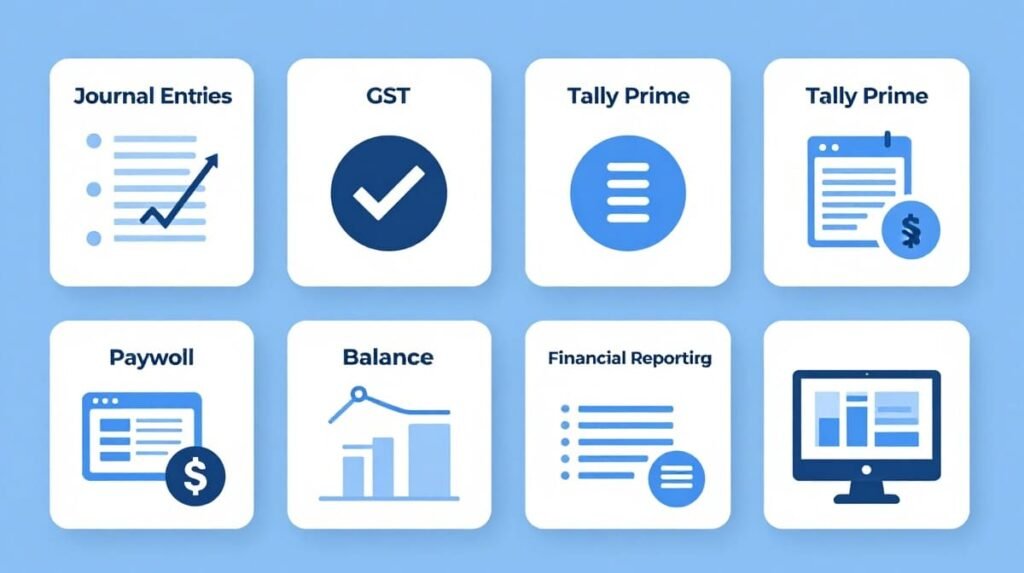
A good accounting course gets you out of the textbook. You need to learn practical business accounting through projects and software training.
Typical modules cover a few core areas.
Accounting Fundamentals
This builds your foundation. Topics include:
- Journal entries
- Ledger posting
- Trial balance
- Profit & Loss Account
- Balance Sheet
- Cash Book
- Bank Reconciliation
Computerized Accounting
Manual bookkeeping is mostly dead. You will likely learn:
- Tally Prime Training
- Digital bookkeeping
- Inventory management
- Invoice creation
- Voucher entry
- Payroll basics
Practical software skills make you significantly more employable.
GST Basics
You must understand GST to work in accounting today. Most courses cover:
- GST registration
- GST invoices
- Input Tax Credit
- GST returns
- GST compliance
- Business transactions
Financial Reporting
You learn how to prepare financial statements for management and legal requirements. Topics include:
- Balance Sheet preparation
- Income Statements
- Cash Flow basics
- Financial reports
Payroll Management
Organizations often need accountants to handle salaries. Payroll training covers:
- Salary calculation
- EPF basics
- ESI basics
- Professional Tax
- Payslip generation
Benefits of Joining the Best COA Course in Madurai
A professional course gives you a clear edge.
Practical Skill Development
Employers want you to handle real accounting tasks on your first day. Practical assignments show you how actual business scenarios play out.
Industry-Relevant Certification
A recognized certificate proves you completed structured training. It strengthens your resume and gets you more interviews, even if it doesn’t entirely replace experience.
Better Job Opportunities
Every industry needs accounting professionals. Here are some common roles:
| Job Role | Typical Responsibilities |
| Accounts Assistant | Bookkeeping, voucher entries |
| Junior Accountant | Financial records, reports |
| Billing Executive | Invoice management |
| GST Executive | Tax filing assistance |
| Payroll Executive | Salary processing |
| Finance Assistant | Financial documentation |
| Accounts Executive | Accounting operations |
Software Expertise
Knowing the software puts you ahead of candidates who only know the theory. Companies hire people who can use digital accounting tools right away.
Career Growth
A COA course is a solid starting point for advanced qualifications. You might move on to:
- Advanced Accounting Course
- GST Certification Course
- Income Tax
- Financial Analysis
- SAP Finance
- ERP Accounting
- Banking Courses
How to Choose the Best COA Course

Training institutes vary widely in quality. You need to evaluate them carefully before handing over your money.
Practical Training
Look for institutes that focus on doing the work. They should offer:
- Real accounting projects
- Case studies
- Hands-on software practice
- Business scenarios
Skip programs that only teach theory.
Updated Curriculum
Accounting rules change constantly. Your course needs to cover:
- Latest GST practices
- Current accounting software
- Digital accounting methods
- Modern bookkeeping standards
Experienced Trainers
You need to learn from people who have actually worked in the industry. They understand the messy, practical challenges that textbooks ignore.
Certification
Pick a program that hands you a recognized completion certificate. It proves you put in the time and strengthens your job profile.
Placement Support
Good institutes help you land a job. Look for:
- Resume preparation
- Interview guidance
- Placement assistance
- Mock interviews
This support matters, especially for fresh graduates.
Common Mistakes Students Make
Many students pick a course just because it’s cheap. That rarely works out well. Look at the total value instead.
Try to avoid these common errors:
- Choosing institutes without practical training
- Ignoring software learning
- Focusing only on certificates
- Not checking trainer experience
- Skipping placement support
- Comparing courses only by duration
A fast course is useless if you don’t actually learn the software.
Career Opportunities After Completing a COA Course
Accounting skills travel well. You can work in almost any sector.
Potential industries include:
- Banking
- Manufacturing
- Retail
- Hospitals
- Educational institutions
- Construction companies
- IT firms
- Chartered Accountant offices
- Logistics companies
- Small and medium enterprises
Demand for software-literate accountants stays strong as businesses keep digitizing.
Expected Salary After a COA Course
Your starting pay depends on several things:
- Experience
- Skills
- Software proficiency
- Company size
- Location
- Additional certifications
Freshers usually start in entry-level roles and move up as they gain practical experience.
Best COA Courses with Certificate: What Should Be Included?

If you are looking specifically for Best COA Courses with Certificate, make sure the program delivers on the basics. It should include:
- Comprehensive accounting fundamentals
- Computer Accounting Classes
- GST basics
- Financial reporting
- Payroll Management Course
- Practical assignments
- Final assessment
- Industry-recognized certificate
- Placement guidance
- Resume support
A certificate only matters if you have the practical skills to back it up.
Featured Snippet: How Long Does a COA Course Take?
Answer: Most Certificate of Accounting (COA) courses take 2 to 6 months to complete. The exact time depends on the institute, how often classes meet, and how deep the curriculum goes.
Featured Snippet: Is a COA Course Good for Freshers?
Answer: Yes. A COA course fits freshers perfectly. It teaches the practical accounting, bookkeeping, taxation, and software skills that employers demand for entry-level finance jobs.
Featured Snippet: Can Non-Commerce Students Learn Accounting?
Answer: Yes. Many beginner COA courses are built for students without a commerce background. They teach basic accounting concepts from scratch before moving into practical applications.
Tips to Get the Most from Your COA Course
You have to do the work to get the results.
- Practice accounting entries daily.
- Spend time using accounting software instead of only reading notes.
- Work on sample business transactions.
- Revise GST concepts regularly.
- Build a portfolio of practice projects.
- Improve Excel skills alongside accounting.
- Stay updated on financial regulations and compliance changes.
Consistent, hands-on practice matters more than just showing up to class.
Frequently Asked Questions
Which is the Best COA Course in Madurai?
The best course gives you practical training, software skills, GST basics, and experienced instructors. You also need certification and placement help. Compare the curriculum, the trainers, and the hands-on learning before you pay any fees.
Is a COA Certificate Useful for Jobs?
Yes. It shows you completed structured training and strengthens your resume. The certificate gains real value when you pair it with practical software skills and project work.
What Qualification is Required for a COA Course?
Most institutes require you to finish higher secondary education (10+2). Graduates and working professionals can also enroll. Check with specific institutes for their exact requirements.
Can I Get an Accounting Job After Completing a COA Course?
A COA course prepares you for entry-level roles like Accounts Assistant, Billing Executive, Junior Accountant, or Finance Assistant. Getting hired depends on your practical skills, how you handle the interview, and what the employer specifically needs.
Does a COA Course Include Accounting Software?
Most good COA programs include training on computerized software, digital bookkeeping, inventory management, and financial reporting tools. Check the syllabus before you enroll.
Conclusion
Finding the Best COA Course in Madurai requires looking past the cheapest fees or the shortest timeline. The right course builds your practical skills, gives you hands-on software training, and covers essential topics like GST. It should offer certification backed by real learning.
A structured COA course provides a solid foundation if you are starting a career, switching jobs, or just trying to understand finance better. Check the course content, trainer experience, and placement support to make sure the program actually helps you reach your goals.
Investing time in real training gives you the technical skills and confidence to handle accounting work.



Đọc xong thấy rất bổ ích. Letco chuyên du học Hàn Quốc, tư vấn 1-1 theo năng lực và ngân sách từng bạn. Ghé thăm letco.vn để được hỗ trợ.
[336991]supplies professional anti-violence equipments and solutions for the whole world with strong and perfect production capacity. anti-violence.org