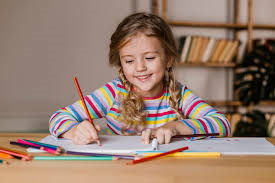
Handwriting Classes for Kids
Good handwriting is an important skill that helps children perform better in school and express their ideas clearly. Many parents today are looking for handwriting classes for kids because children often spend more time on digital devices than practicing writing by hand. As a result, handwriting quality, speed, and neatness can sometimes suffer.
Handwriting classes can help children develop proper letter formation, spacing, posture, pencil grip, and writing confidence. These classes are designed in a fun and easy-to-follow way so kids enjoy learning while improving an essential life skill.
In this guide, you will learn everything about handwriting classes, their benefits, how they work, and how to choose the right program for your child.
Why Handwriting Skills Matter for Kids

Handwriting is more than simply writing letters on paper. It supports several important learning and developmental skills.
Benefits of Good Handwriting
- Improves fine motor skills
- Enhances concentration and patience
- Helps children perform better in exams
- Builds confidence in classroom activities
- Makes school notes easier to read
- Encourages creativity and self-expression
Research has shown that writing by hand supports brain development and memory retention. According to Wikipedia – Handwriting, handwriting plays an important role in learning and communication.
What Are Handwriting Classes for Kids?
Handwriting classes for kids are specialized training programs that teach children how to write neatly, clearly, and confidently. These classes focus on improving writing habits step by step.
Most handwriting programs include:
- Pencil grip practice
- Letter formation exercises
- Proper spacing techniques
- Writing speed improvement
- Cursive handwriting practice
- Sentence and paragraph writing
- Fine motor skill activities
These classes are suitable for preschool children, primary school students, and even older kids who want to improve their writing style.
Types of Handwriting Classes
Parents can choose from different types of handwriting training programs depending on their child’s needs.
1. Online Handwriting Classes
Online classes allow children to learn from home using worksheets, video lessons, and live sessions.
Advantages
- Flexible timings
- Comfortable home environment
- Access to recorded sessions
- Affordable learning options
2. Offline Handwriting Classes
These are classroom-based programs where teachers guide children directly.
Advantages
- Personal attention
- Better supervision
- Group learning activities
- Immediate correction of mistakes
3. Cursive Handwriting Classes
Cursive writing teaches connected letters and smooth writing flow.
Children learn:
- Joining letters correctly
- Maintaining consistent slant
- Improving writing speed
4. Calligraphy and Creative Writing Classes
Some advanced classes combine handwriting improvement with artistic writing styles.
Kids learn:
- Decorative lettering
- Brush pen techniques
- Creative presentation skills
Signs Your Child May Need Handwriting Classes
Many children struggle with handwriting at some stage. Here are some common signs that extra practice may help.
Poor Letter Formation
Letters may appear reversed, uneven, or difficult to read.
Inconsistent Spacing
Words may be crowded together or spaced too far apart.
Slow Writing Speed
Children may take much longer than classmates to complete written work.
Hand Pain or Discomfort
Improper pencil grip can make writing uncomfortable.
Lack of Confidence
Some children avoid writing tasks because they feel embarrassed about their handwriting.
If you notice these issues regularly, handwriting classes can make a significant difference.
How Handwriting Classes Improve Writing Skills
Professional handwriting programs use structured techniques to gradually improve writing quality.
Step 1: Correct Pencil Grip
Teachers help children hold the pencil properly to reduce strain and improve control.
Step 2: Posture and Paper Positioning
Good sitting posture supports comfortable and smooth writing.
Step 3: Stroke Practice
Kids first learn basic strokes before moving to letters and words.
Step 4: Letter Formation
Children practice writing each letter correctly.
Step 5: Word and Sentence Writing
After mastering letters, students learn spacing and alignment.
Step 6: Speed Improvement
Timed exercises help children write faster without losing neatness.
Benefits of Joining Handwriting Classes for Kids

Better Academic Performance
Neat handwriting helps teachers read answers easily during exams and assignments.
Improved Focus and Discipline
Handwriting practice teaches patience and concentration.
Increased Confidence
Children feel proud when their writing becomes clear and attractive.
Stronger Fine Motor Skills
Writing exercises strengthen finger coordination and hand control.
Reduced Screen Time
Handwriting activities encourage productive offline learning.
Features to Look for in a Good Handwriting Class
Choosing the right class is important for your child’s progress.
Experienced Teachers
Look for instructors trained in child education and handwriting improvement.
Structured Curriculum
A step-by-step learning plan helps children improve consistently.
Personalized Attention
Small batch sizes allow teachers to correct mistakes individually.
Practice Worksheets
Regular worksheets help children practice at home.
Progress Tracking
Good programs monitor improvement in neatness, speed, and consistency.
Best Age to Start Handwriting Classes
Children can begin handwriting practice as early as preschool age.
Recommended Age Groups
- 3–5 years: Basic strokes and pencil control
- 6–8 years: Letter formation and neat writing
- 9–12 years: Speed, cursive writing, and presentation skills
Starting early helps children develop strong writing habits naturally.
Tips for Parents to Support Handwriting Practice at Home
Parents play a major role in improving their child’s handwriting.
Encourage Daily Practice
Even 15–20 minutes of writing practice each day can help.
Use Quality Writing Materials
Choose comfortable pencils, notebooks, and writing tools.
Create a Quiet Study Space
A distraction-free environment improves concentration.
Praise Progress
Celebrate small improvements to keep children motivated.
Avoid Excessive Pressure
Learning handwriting takes time and patience.
Fun Activities to Improve Handwriting Skills
Children learn faster when activities are enjoyable.
Try These Fun Exercises
- Tracing worksheets
- Alphabet coloring
- Dot-to-dot writing games
- Sand writing activities
- Chalkboard practice
- Story writing exercises
You can also explore educational handwriting activities from Reading Rockets for additional guidance.
Online vs Offline Handwriting Classes
Both options have benefits depending on your child’s learning style.
| Feature | Online Classes | Offline Classes |
| Flexibility | High | Moderate |
| Personal Interaction | Limited | Strong |
| Travel Requirement | None | Required |
| Learning Comfort | Home-based | Classroom-based |
| Teacher Supervision | Moderate | Direct |
Parents can choose based on convenience, budget, and child preference.
Common Mistakes Children Make While Writing
Understanding common errors helps parents and teachers correct them early.
Frequent Handwriting Mistakes
- Holding pencil too tightly
- Incorrect posture
- Uneven letter size
- Poor spacing between words
- Writing too quickly
- Not following line alignment
Good handwriting classes address these issues through guided practice.
Internal Link Suggestions
You can internally link this blog to related pages such as:
- “Best Online Learning Courses for Kids”
- “Abacus Classes for Children”
- “How to Improve Concentration in Kids”
- “Creative Writing Courses for Students”
- “Online Drawing Classes for Kids”
Frequently Asked Questions
Are handwriting classes useful for kids?
Yes, handwriting classes help children improve neatness, writing speed, focus, and confidence. They also support better academic performance.
What is the right age for handwriting classes?
Children can start basic handwriting practice around 3–5 years old, while structured handwriting classes are ideal from age 5 onward.
How long does it take to improve handwriting?
Most children show noticeable improvement within 2–3 months of regular practice and guided training.
Can online handwriting classes really help?
Yes, online handwriting classes can be effective when they include live guidance, worksheets, and regular feedback from teachers.